Chase Sapphire Preferred vs. Capital One Venture: Which is Better for Your First Travel Card? (2026 Guide)
Advertiser Disclosure: PointsAndMilesExplorer.com has partnered with Advertisers for our coverage of credit card products. PointsAndMilesExplorer.com may receive a commission from card issuers. Opinions, reviews, analyses & recommendations are the author’s alone, and have not been reviewed, endorsed or approved by any of these entities.
Choosing your first travel credit card is the most important step in the points and miles hobby. For years, two cards have dominated the “entry-level” conversation: the Chase Sapphire Preferred® Card and the Capital One Venture Rewards Credit Card.
Both offer a $95 annual fee, but they cater to two very different types of travelers. In 2026, the gap between “simplicity” and “maximum value” has never been wider. Here is our expert breakdown of which one belongs in your wallet.
At a Glance: The Key Differences
| Feature | Chase Sapphire Preferred® | Capital One Venture Rewards |
| Annual Fee | $95 | $95 |
| Welcome Bonus | 75,000 pts (after $4k spend/3mo) | 75,000 miles (after $4k spend/3mo) plus a $250 Capital One Travel credit |
| Base Earning Rate | 1x on everything | 2x on everything |
| Top Category | 3x Dining & Online Groceries | 5x Hotels/Cars (via C1 Travel) |
| Portal Value | 1.25 cents per point | 1.0 cent per mile |
| Lounge Access | None | 2 passes per year (limited) |
1. Earning Strategy: “Complexity” vs. “Simplicity”
Chase Sapphire Preferred: The Category King
The Sapphire Preferred is built for people who don’t mind “playing the game.” You earn 3x points on dining and online groceries, and 2x on travel. However, if you spend money outside those categories, you only earn 1x.
- Expert Tip: To maximize Chase, you eventually want the “Chase Trifecta,” pairing this card with the Freedom Flex to earn 5x in rotating categories.
Capital One Venture: The “Set It and Forget It” Card
The Venture card is the winner for simplicity. You earn 2x miles on every single purchase. Whether you are buying a coffee, paying your electric bill, or booking a flight, you are earning double miles.
- Expert Tip: If you hate tracking categories, this is your card. You’ll never have to wonder “which card should I use?” at the register.
2. Redemption: How much are those points worth?
The Chase “Portal Boost”
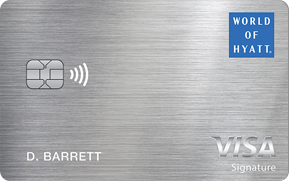
When you book travel through the Chase Travel℠ portal, your points are worth 25% more. This means 60,000 points are worth $750 toward airfare or hotels. Chase also has high value transfer partners: Like World of Hyatt. Where you can often find luxury hotel stays for 20,000 points that would cost $600 in cash. and United MileagePlus
The Capital One “Travel Eraser”
Capital One miles are worth a flat 1 cent each when redeemed for travel.2 Their best feature is the “Purchase Eraser.” You can buy a flight on any site (Expedia, Google Flights, etc.), and then use your miles to “erase” that charge from your statement. No portal required.
3. Transfer Partners: Where the Real Value Lives
Both cards allow you to transfer points 1:1 to airline and hotel partners.3
- Chase Strengths: Hyatt (Best hotel value), United, Southwest, and British Airways.
- Capital One Strengths: Avianca LifeMiles (Great for Star Alliance), Turkish Airlines, and Wyndham.
The Expert Verdict: Which should you choose?
Pick the Chase Sapphire Preferred if…
You love to eat out restaurants, you shop for groceries online (Kroger, Instacart, Door dash etc.), and you want the highest possible value by transferring points to Hyatt or United. This is a “lifestyle” card that rewards how you live.
Pick the Capital One Venture if…
You want a simple life. You want to earn 2x on everything and be able to “wipe away” travel purchases without being forced to use a specific booking portal. It’s the best “daily driver” for the average person.
Next Steps for Points and Miles Explorers
If you are ready to start your journey, ensure your credit score is at least 700+ before applying for either card.